Do Sound Barriers in Construction Sites Actually Reduce Noise, or Do They Just Create a False Sense of Security?
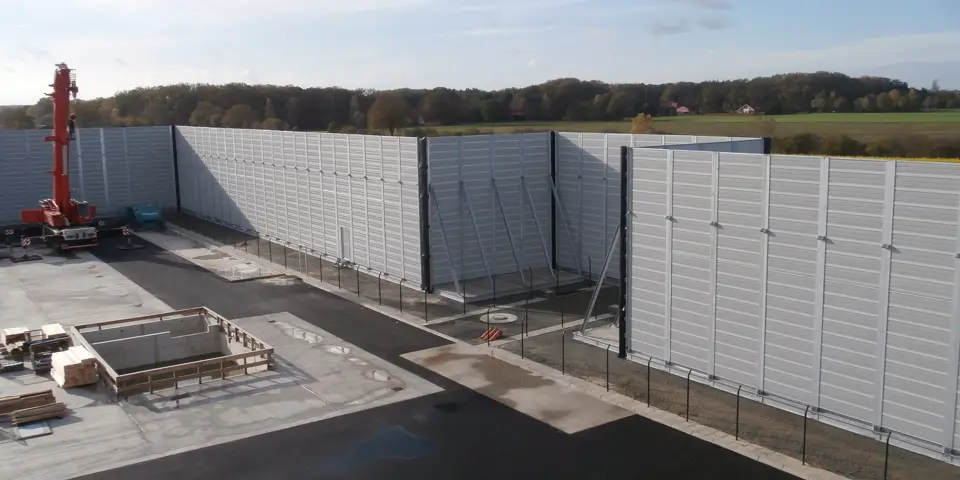
Singapore is constantly under construction—whether it’s new MRT lines, high-rise condos, or infrastructure upgrades, there’s no escaping the noise that comes with development. To deal with this, many sites are surrounded by towering metal or fabric fences known as construction sound barriers. You’ve probably walked or driven past them and wondered: do they really work, or are they just there to make us feel better?
Let’s take a deeper look into how these barriers function, whether they actually reduce noise, and why they’ve become standard practice at most construction sites across Singapore.
What Are Sound Barriers?
Sound barriers, sometimes called noise barriers or acoustic fences, are temporary structures installed around construction sites to minimise the noise that escapes into surrounding areas.
They can come in different forms:
- Solid hoardings made from steel or plywood
- Flexible sound curtains that can be hung and moved around
- Modular noise barriers are designed to be reused at different sites
- Acoustic panels filled with sound-absorbing materials like mineral wool or polyester
These barriers are typically installed along the perimeter of the site, especially near residential blocks, schools, clinics, or public walkways.
How Are They Supposed to Work?
The basic idea is to block, absorb, or deflect sound waves before they reach nearby people.
There are two key acoustic principles at play:
- Sound absorption – Good barriers are made of materials that can soak up sound energy. This prevents noise from bouncing off and amplifying.
- Sound insulation – Dense, airtight materials can stop sound waves from passing through them, acting like a physical wall for noise.
In simple terms, a well-designed construction sound barrier doesn’t just stop you from seeing the worksite—it actually reduces the volume of noise reaching your ears.
Do They Actually Reduce Noise?
The short answer is: yes, but it depends.
When properly designed and installed, construction noise barriers can reduce sound levels by 10 to 30 decibels. That’s a significant difference. For comparison:
- Normal conversation: ~60 dB
- Busy street: ~80 dB
- Construction site: up to 100 dB
So, reducing that by 20 dB can make a noisy site sound more like light traffic rather than a jackhammer next door.
However, the level of noise reduction depends on several factors:
- Barrier height – The higher the barrier, the more sound it can block.
- Distance from the source – Barriers closer to the noise source are generally more effective.
- Barrier material – Lightweight hoardings don’t absorb sound well; specialised acoustic panels do a better job.
- Gaps or openings – Even a small gap at the bottom or side can let significant noise through.
When shortcuts are taken during setup, such as using non-acoustic materials, leaving gaps, or placing the barrier too far from the noisy equipment, the effectiveness drops dramatically.
So Why Do Some People Think They Don’t Work?
There are a few reasons people may question the usefulness of these barriers:
- They still hear noise. Even with good barriers, construction noise won’t disappear completely, especially in open areas where sound can travel over the top.
- Poor-quality installations. Some sites may use basic metal hoardings without any soundproofing. These mainly provide visual screening, not acoustic protection.
- Psychological perception. If someone expects total silence but still hears distant machinery, it might feel like the barrier isn’t doing anything—even if it’s actually cutting the volume in half.
It’s also worth noting that people become more sensitive to certain noises (like drilling or hammering) over time, especially when exposed repeatedly, which can skew perception of how effective a sound barrier really is.
Are They Worth the Investment?
For construction firms, the cost of renting or installing proper acoustic barriers can be substantial. But in Singapore, it’s often not optional.
The National Environment Agency (NEA) and Building and Construction Authority (BCA) have guidelines and regulations that require noise control measures for construction sites near sensitive locations. Contractors who don’t comply may face fines or delays in approvals.
Moreover, sound barriers offer several advantages:
- Community goodwill – Reduced complaints from nearby residents or businesses
- Improved worker safety – Less noise within the site means better communication and reduced hearing damage
- Professional appearance – A clean, well-barriered site looks more organised and trustworthy
In short, while the upfront cost can be high, the long-term benefits—both practical and reputational—make it worth it.
What’s the Future of Construction Sound Control?
As urban areas become denser and residents grow more vocal about noise pollution, construction firms are under pressure to innovate. Here’s what we might see more of in Singapore:
- Taller barriers with better materials – To improve absorption and block sound from high-rise machinery
- Smart noise monitoring – Sensors that track noise levels in real-time and alert site managers when limits are exceeded
- Reusable modular panels – For eco-friendly, faster setups across multiple sites
- Community engagement tools – Apps or platforms that let residents see what measures are being taken to control noise
With sustainability and public comfort becoming key priorities, future construction sites may not only be quieter but also more transparent about how they’re managing noise.
Final Thoughts: False Security or Real Benefit?
While no sound barrier can make a construction site silent, the idea that they only provide “false security” simply isn’t accurate. When chosen and installed correctly, construction sound barriers provide real, measurable reductions in noise.
They’re not magic walls—but they do make a big difference in day-to-day comfort for nearby communities. And as Singapore continues to develop, these barriers will remain essential in maintaining a liveable environment amid growth.
So the next time you walk past a high-walled construction site and still hear a faint drill in the distance, remember: it could be a whole lot louder without that barrier in place.




-
Feasibility Study: How to Evaluate Business Success Before Making an Investment
Every successful business begins with an idea. However, turning that idea into ... -
-
-
-