Global Markets Trading Made Easy with a Forex Platform
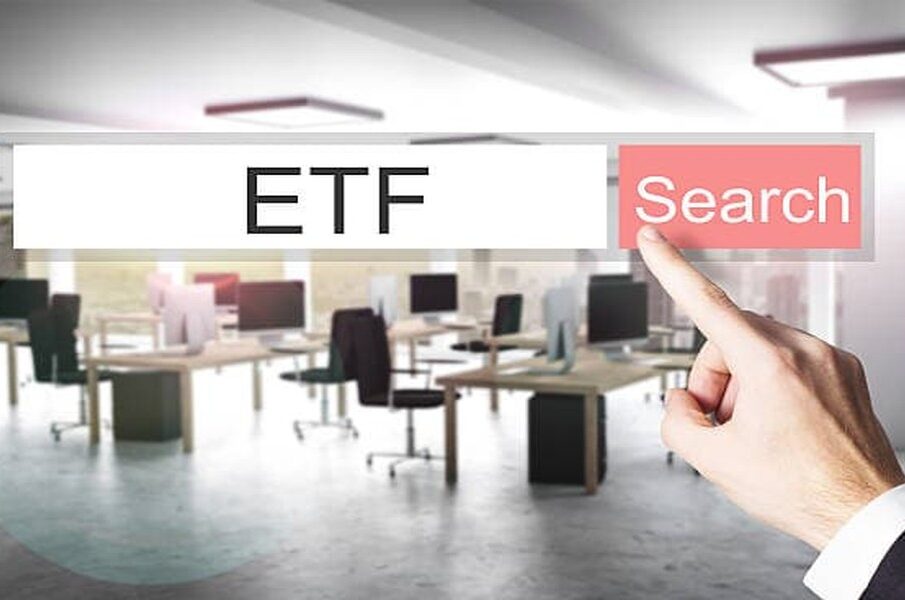
Let’s be real: the idea of trading global markets often gets wrapped up in images of frantic phone calls, piles of paper charts, and people shouting on a chaotic floor. But that’s old news. What many don’t realize is how a sleek Forex platform has quietly turned this entire scene upside down. You no longer need a corner office in a financial hub to tap into the pulse of the world’s economies. With the right tools, everything from currency pairs to commodity swings becomes something you can follow from your couch, in your pajamas, no less. This isn’t just about convenience, it’s about removing the mystique that once surrounded international trading. A modern Forex platform acts like a translator, turning complex economic signals into clear, actionable data. It democratizes access in a way that few other innovations have. So before we get into the nuts and bolts, understand this: the barrier to entry has been lowered, but the opportunity to engage with global markets has never been broader. The journey starts with understanding how a single screen can connect you to the ups and downs of Tokyo, London, and New York all at once.
Think of a Forex platform as your central command center. It’s where you see live price movements for currency pairs like EUR/USD or GBP/JPY, but its real power goes much further. Many people assume it only handles foreign exchange, but a robust platform opens the door to global markets in their entirety. You can monitor indices like the FTSE 100 or the S&P 500, track oil prices influenced by Middle Eastern politics, or watch gold react to inflation data. The key is integration. Instead of juggling multiple websites or apps, everything flows through one interface. This unified view changes how you approach decision-making. You start noticing that when the dollar strengthens, it often drags down commodity prices, or that a political move in Europe might ripple through Asian session trading. A Forex platform (In Arabic, it is called “منصة فوركس“) doesn’t just show you numbers, it shows you connections. And that’s the real edge. By having all these global markets in one place, you stop trading in isolation. You begin to see the bigger picture, which is exactly what experienced participants rely on. Without that holistic perspective, you’re just guessing. With it, you’re making informed moves.
Now, let’s talk about the actual experience of navigating global markets through a tool like this. The best part is the lack of friction. You don’t need to call a broker or wait for a confirmation email to execute a trade. A few clicks, and you’re in. This immediacy is huge in a world where prices can shift within seconds. But speed isn’t the only advantage. A proper Forex platform offers risk management features that didn’t exist for retail participants a decade ago. Stop-loss orders, take-profit levels, and trailing stops are all standard. These tools allow you to set parameters and let the system do some of the heavy lifting. For example, if you’re trading a volatile pair like USD/TRY, you can set a stop at a certain level to cap potential losses. Meanwhile, you can also keep an eye on broader global markets for any news that might shift sentiment. This layered approach—using the platform for execution while staying aware of macro trends—creates a more disciplined workflow. It moves you away from emotional decisions and toward a structured routine. Over time, that structure becomes second nature. You stop chasing fads and start treating trading as a consistent practice rather than a gamble.
But let’s not pretend it’s all perfect. Engaging with global markets (In Arabic, it is called “الاسواق العالمية“) requires a certain mindset, even with the best Forex platform. The sheer volume of information can overwhelm a new user. Charts, economic calendars, news feeds—it’s easy to get lost. That’s why a good platform doesn’t just dump data on you, it organizes it. Most modern interfaces let you customize watchlists, set up alerts, and filter news by region. This personalization is crucial when you’re trying to monitor multiple global markets simultaneously. For instance, if you’re interested in both European stocks and Asian currencies, you can set up separate tabs or views. The platform becomes an extension of your thought process. You tweak it, adjust it, and make it work for your specific style. Some people thrive on scalping—taking small profits from rapid moves. Others prefer to hold positions for days or weeks. A flexible Forex platform accommodates both. It scales with your experience level. The trick is to start simple, ignore the bells and whistles initially, and build complexity as you get comfortable. Too many beginners try to master everything in one weekend and burn out. Slow and steady wins this race.
Let’s also address the elephant in the room: risk. Because while a Forex platform makes global markets accessible, it doesn’t eliminate danger. If anything, it amplifies the need for caution. With lower barriers to entry come lower friction losses. You can blow through capital faster than ever if you’re reckless. That’s why education is non-negotiable. The best platforms offer demo accounts, webinars, and educational articles directly in the interface. Use them. Before you risk real money in global markets, spend time on a simulated environment. Test your strategies. See how you react when a position goes against you. The emotional component of trading is real, and a demo account lets you experience it without financial consequences. Many people skip this step and regret it later. A Forex platform is a tool, not a magic wand. It can’t protect you from bad decisions. But if you pair it with a learning mindset and a solid plan, it becomes an incredible asset. The global markets will always have volatility. That’s a fact. Your job is to manage that volatility, not eliminate it. Discipline, consistency, and continuous learning form the trifecta of success here.
Now, for a more practical walkthrough, consider what a typical day might look like. You log into your Forex platform in the morning, glance at the overnight Asian session action, and notice the dollar softened against the yen. You pull up a chart for USD/JPY, add a few technical indicators like moving averages and RSI, and spot a potential support level. Meanwhile, the platform shows you that European indices are opening slightly negative due to weaker manufacturing data. This links into your plan because a weaker eurozone economy could push EUR/USD lower. With all this information visible on one screen, you decide to enter a short position on the euro. You set a stop loss above the recent high and a take profit just below a psychological level. Then, you move on. No staring at the screen all day. Alerts from the platform will notify you if the market hits your levels. Later in the day, you check back, see the position moved in your favor, and manually adjust the stop to lock in profit. This example shows how a Forex platform integrates with real decision-making. It’s not just about looking at lines, it’s about having a coherent process. And that process only exists if you understand how different global markets interact. A dollar rally affects commodities, which affects FX, which affects equities. A good platform helps you see these links rather than trading in a bubble.
Finally, let’s talk about the future. The landscape of global markets is shifting fast. Algorithmic trading, AI-driven analysis, and blockchain settlements are changing the game. A modern Forex platform is already starting to incorporate some of these features. For instance, some platforms now offer built-in sentiment analysis that scans news headlines and social media to gauge market mood. Others have automated trading bots that execute strategies based on your rules. This doesn’t mean you become passive. It means you have more tools to filter noise. The key is to stay adaptable. What works today might not work tomorrow. But if you’re comfortable using a Forex platform as your primary lens into global markets, you’re already ahead of those stuck with outdated methods. Don’t treat it as a static resource. Treat it as a living system that you evolve with. Test new features. Explore different asset classes like indices, cryptos, or commodities included in the platform’s offering. The more you experiment, the more you learn. And in the world of global markets, learning never stops. Mistakes will happen, but they become lessons if you pay attention. So take the leap, start small, and let the platform be your guide. The doorway to the world’s economies is open—you just have to walk through it.




-
Philips Hue: Setup, Pairing and Why Bulbs Drop Off
Smart lighting fails in ways ordinary lighting does not. A bulb that ... -
-
-
-