How Premium Adhesives Are Reducing Project Costs for Construction Businesses in 2026
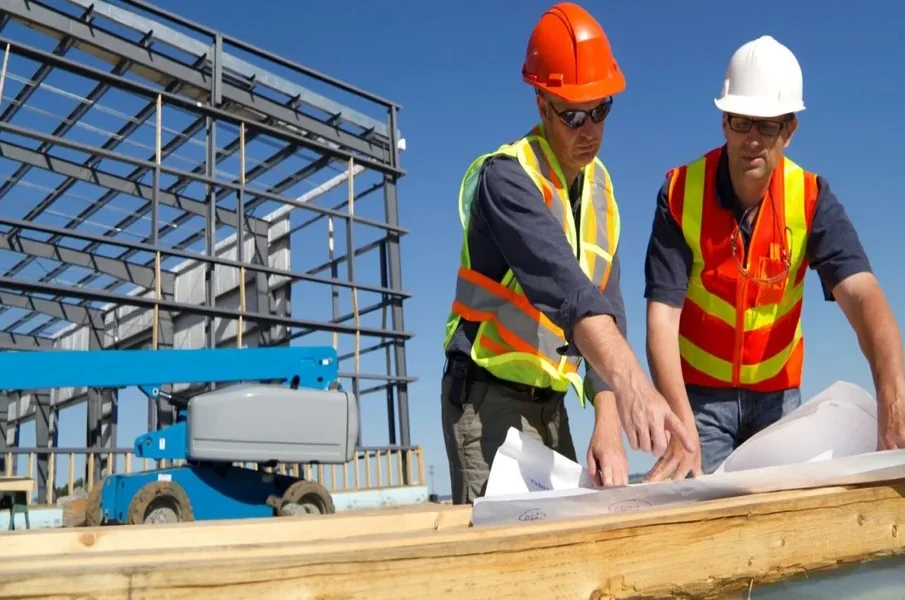
In the building world today, how well and how strictly you manage money can shape if a contractor or trade business does well over time. Construction companies check project costs all the time to find out why some jobs feel slow, when work needs to be done again, or if workers are getting held up. Bonding things together in a project used to be only a small part of what companies spent on, but now builders see that these glues or fixings help get more done and keep what they build strong.
By switching from things like screws and weak glues to stronger, commercial glues, people who work in construction can cut out steps and save on work time. Using these strong and reliable adhesives in inside work, under floors, and outside walls helps make sure the first stick is strong and holds up well over time. This way of doing work lowers the number of problems, stops repairs before they start, and keeps the total price down for new homes and business buildings.
1. Speeding Up Turnaround Times with High Initial Grab
Time management at the job site affects how much is spent on overhead costs. The usual ways to fix things with mechanical tools need drilling, screwing, sinking screws, and patching. All these steps take a lot of the workers’ time. Some glues and bonding products hold heavy panels, studs, and other materials right away when they are used. This makes the job easier and saves time.
- Less Clamping & Temporary Support Needed: Formulations with strong first tack keep materials in place for jobs on walls and ceilings. They do not slide or need lots of extra bracing.
- Quicker Drying for Fast Progress: Quick-strength chemistry lets the next team work in the area sooner. You do not have to worry about the joints moving.
- Works in All Weather: New polyurethane and mix systems stick well to surfaces that are wet, dry, rough, or smooth. You will not lose time because of weather.
2. Eliminating Costly Rework and Structural Failures
Call-backs and warranty repairs are big hidden causes of lost profit in the building industry. Things like building movement, changes from heat, and water getting in can often make old, hard glues or fixings make noise, get loose, or crack as time goes on.
Modern polymer solutions make joints that stay stretchy and can move with the building as it settles or shakes. These solutions are good for sticking subfloors to joists and holding panels on the outside walls. Elastic bonding spreads any stress over a big area instead of keeping it on one small spot. This makes the structure stable for a long time and keeps builders safe from costly problems after the work is done.
3. Versatile Formulations Simplifying On-Site Inventory
Handling many different single-use glues can make storage messy. It also adds to costs and can cause workers to make mistakes. When site bosses use multi-purpose hybrid glues, they can make ordering and keeping track of products much easier. It helps with how they handle many types of building materials on the job.
Comparison Table: Traditional Fixings vs. Premium Hybrid Adhesives
Performance Feature |
Standard Fixings / Basic Glues |
Premium Hybrid Adhesives |
|---|---|---|
Application Speed |
Slow (Drilling, Fastening, Patching) |
Fast (Direct Bead Application & Instant Grab) |
Substrate Compatibility |
Limited (Requires specific anchors/screws) |
Universal (Porous & Non-Porous Surfaces) |
Joint Elasticity |
Rigid / Prone to stress cracking |
Permanently Elastic / Absorbs shocks & settlement |
Long-Term Service Cost |
High risk of squeaks & call-backs |
Minimal rework & long-term maintenance-free |
Frequently Asked Questions (FAQ)
Q1: How do premium bonding agents reduce labor costs during installation?
Answer: They give you quick first hold and fast drying times. This means you do not need to use hard clamping tools, do extra drilling work, or fix up the surface later.
Q2: Can hybrid polymer adhesives take the place of old-fashioned mechanical fasteners for good?
Answer: In many jobs that do not change the strong parts of a building, gluing or sticking things can take the place of using screws and nails. This way, you get a nicer look when you finish the work.
Q3: Why is high elasticity important for cost reduction?
Answer: Elastic bonding soaks up movement from natural changes in size, shaking, and shrinking. This helps stop joints from breaking, cracks on the top, and high-priced fixes after the building is done.
Conclusion
To get the most from your budget, you need to check more than supply prices. You should see what the whole setup will cost. When you use tough, flexible adhesives made for tough industrial jobs, contractors can finish work faster, cut down on waste, and keep your money safe from extra rework.




-
Philips Hue: Setup, Pairing and Why Bulbs Drop Off
Smart lighting fails in ways ordinary lighting does not. A bulb that ... -
-
-
-