Car Detailing in Bayswater
Car Detailing in Bayswater Explained for First-Time Customers
If you’ve lived in the eastern suburbs for any length of time, you know the Bayswater “grime.” Between the dust from the industrial pockets around Mountain Highway and the constant sap from the leafy residential streets, your car takes a beating. Most people think a quick Saturday morning scrub with a bucket of soapy water is enough to keep things fresh. But eventually, you realize that “clean” car still looks a bit dull, and those weird spots on the hood aren’t coming off.
That’s usually when people start looking into professional help. For a first-timer, the world of car detailing can feel a bit gate-kept. You see menus with words like “decontamination,” “clay bar,” and “stage two correction,” and it’s easy to feel like you’re being oversold on things you don’t need. This guide is here to strip away that confusion and explain what actually happens when you book car detailing Bayswater services for the first time.
What “Car Detailing” Actually Means in Bayswater
The biggest hurdle for first-time customers is understanding that detailing is not a “fancy car wash.” A car wash is about removing loose surface dirt. It’s fast, it’s cheap, and it’s usually done with brushes or sponges that-if we’re being honest-often move dirt around and create tiny scratches called swirl marks.
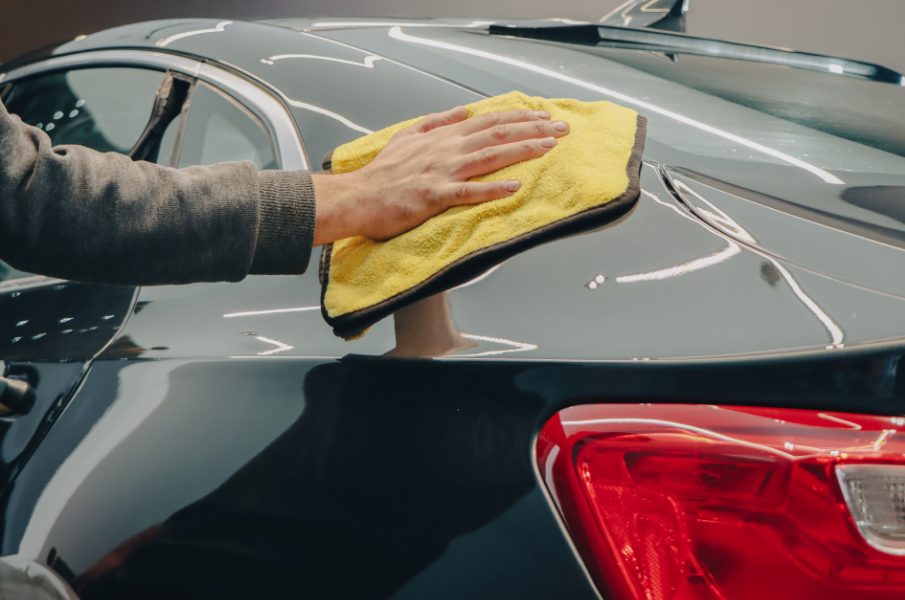
Detailing is about restoration and protection. When a professional detailer gets hold of a car, they aren’t just washing the paint; they’re cleaning the pores of the paint. In an area like Bayswater, where we have a mix of heavy industrial traffic and suburban foliage, your car’s exterior acts like a magnet for metallic fallout and organic acids. A proper detail removes these embedded contaminants that a standard wash simply can’t touch.
Navigating the Service Menu
When you start looking at local service providers, you’ll see a range of options that can be a bit overwhelming. Usually, it’s broken down into interior, exterior, or full details.
If your car is a daily driver used for the school run or commuting into the city, an interior detail is often the biggest “win.” This involves deep-cleaning the upholstery-often with steam or extraction-to get rid of odors and stains that have settled into the fabric. For those with leather, it’s about cleaning and conditioning so the material doesn’t crack in the harsh Victorian sun.
The “Cut and Polish” is another term you’ll see. This isn’t just a wax. It’s a mechanical process that removes a microscopic layer of clear coat to level out scratches and oxidation. If your car looks “milky” or has those spider-web scratches that show up in direct sunlight, this is what you’re looking for. However, for a brand-new car, you probably just need a high-quality sealant or a ceramic coating to keep it looking that way.
What Happens During the Appointment?
A professional detail isn’t a thirty-minute job. If you’re getting a full service, expect the car to be with the detailer (or for them to be at your house) for anywhere from three to six hours-sometimes longer for specialized paint correction.
The process is methodical. It usually starts with a “snow foam” to lift dirt without touching the paint, followed by a two-bucket wash method to prevent scratching. Then comes the decontamination phase, using a clay bar to pull out those gritty bits you can feel when you run your hand over the “clean” paint.
The tools used are what really separate the pros from the DIYers. High-end rotary polishers, specific lighting to spot imperfections, and pH-neutral chemicals are standard. A detailer will also have different brushes for every surface-one for the wheels, one for the leather, one for the dash.
By the time they’re done, the car shouldn’t just look cleaner; it should feel smoother and have a depth of color that you forgot it had. But a quick reality check: detailing can’t fix a “stone chip” that has gone through the paint, and it won’t make a twenty-year-old seat look brand new, though it will certainly look a lot better.
Mobile vs. Workshop: Which Should You Choose?
Bayswater is a busy hub. If you’re working in one of the business parks or you’re a parent juggling a million things, the idea of dropping your car off at a workshop and finding a way home is a massive headache. This is why mobile detailing has become the go-to for many locals.
Mobile detailers bring the entire “shop” to you. They have their own power, water, and specialized equipment. The main advantage is convenience; you can have your car restored while you’re at your desk or at home with the kids. In terms of quality, a high-end mobile operator provides the exact same depth of service as a fixed location.
The only real limitation for mobile work is the weather. If it’s pouring rain and you don’t have a garage or a carport, the detailer might have to reschedule. But for most daily drivers, the convenience of a mobile service-like the ones offered by Ryan’s Mobile Car Detailing across the South Eastern suburbs-far outweighs the logistical mess of a workshop visit.
Avoiding the First-Timer Traps
The biggest mistake people make is shopping on price alone. If you find someone offering a “full detail” for $50, you aren’t getting a detail; you’re getting a rushed wash. True detailing is labor-intensive. You’re paying for someone’s time and their eye for detail.
Another common error is failing to mention specific issues when booking. If you have pet hair or if a kid spilled a milkshake six months ago, tell the detailer upfront. These things require specific tools and chemicals, and they take extra time. Surprise “disasters” can lead to price adjustments or a job that feels rushed because the detailer didn’t allocate enough time in their schedule.
Also, be realistic. If your paint has been neglected for a decade, a single session might not make it perfect. A good detailer will give you a “paint assessment” before they start, explaining what can be fixed and what is permanent damage.
How to Spot a Good Detailer
Don’t just look at the star rating on a review site. Read what people are saying. Are they mentioning the “little things”? Did the detailer clean the inside of the fuel cap? Did they get the wax out of the plastic trim? These are the hallmarks of someone who actually cares about the craft.
A reliable detailer will be transparent about their process. They should be able to tell you exactly what products they are using and why. If they try to upsell you on a “diamond-platinum-shield” without explaining what it actually does for your specific car, take that as a red flag. Local knowledge matters, too. Someone who understands the Melbourne climate knows that our UV levels are brutal, meaning high-quality paint protection isn’t just a “nice to have”-it’s a necessity for preserving the car’s value.
Preparing for Your Appointment
Before your detailer arrives, do them a favor: take the personal clutter out of the car. You don’t need to wash the car beforehand (that’s their job), but clearing out the gym bags, old coffee cups, and loose change makes the process much faster. It also ensures the detailer doesn’t miss any spots that were covered by your belongings.
At the end of the day, professional detailing is about pride of ownership. There’s a specific kind of satisfaction in getting into a car that feels “new” again, especially when you know it’s protected against the elements. If you’re on the fence, start with a mini-detail or an interior refresh. Once you see the difference between a “wash” and a “detail,” you probably won’t want to go back to the old bucket and sponge.




-
Nvidia Price Action: Trading Earnings Gaps, Momentum Extensions and Volatility Contractions
Nvidia’s stock price can change dramatically when earnings reports, artificial intelligence demand, ... -
-
-
-