Sound Absorbing Panels: How They Help Create More Peaceful Indoor Environments
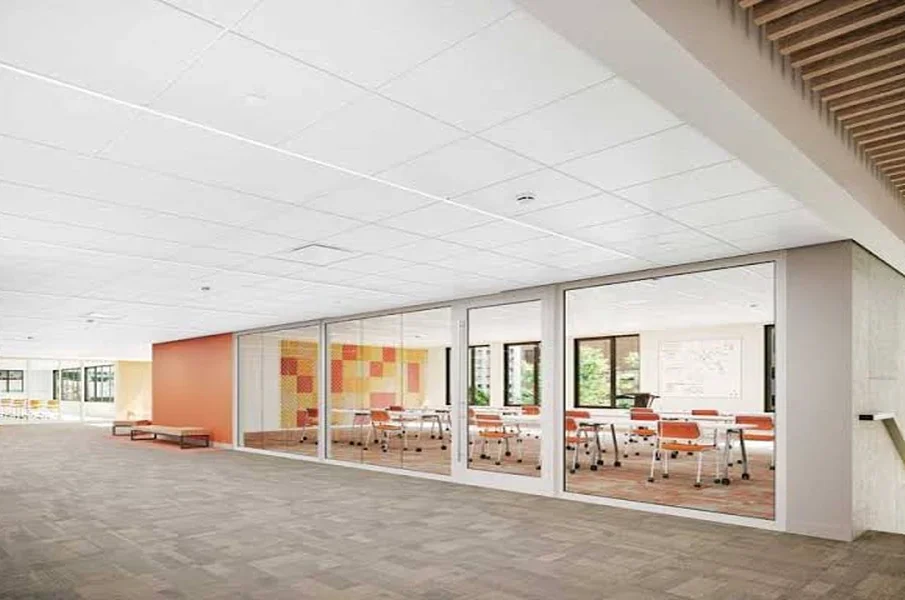
Walk into certain spaces, and you immediately feel at ease. Conversations are easy to follow, background activity doesn’t feel overwhelming, and there’s a sense of balance in the environment. It’s not something most people consciously notice, but it makes a difference.
Then there are spaces where everything feels slightly harder. Voices overlap, sound lingers, and even simple interactions take more effort than they should. That difference often comes down to how sound is managed. High-quality sound absorbing panels play a key role in shaping that experience.
Why Indoor Spaces Can Feel Overwhelming
Many modern interiors prioritise clean lines and minimal finishes. Glass, concrete, tiles, and painted walls are common choices because they look good and are easy to maintain.
The downside is that these surfaces reflect sound very easily.
Instead of being absorbed, sound bounces around the room. Conversations, footsteps, and background noise all start to layer on top of each other. Over time, this creates a constant sense of activity, even when nothing particularly loud is happening.
This is what makes some spaces feel tiring to be in.
What Sound Absorbing Panels Actually Do
Sound absorbing panels are designed to reduce how much sound is reflected within a space.
When sound hits a hard surface, it bounces back into the room. When it hits an absorbing panel, much of that energy is captured within the material.
This reduces the number of reflections, which in turn helps prevent sound from building up.
The result isn’t silence. It’s a more controlled environment where sound behaves in a natural and balanced way.
Making Conversations Easier to Follow
One of the first things people notice after installing sound absorbing panels is how much easier conversations feel.
In untreated spaces, voices can blur together because of overlapping reflections. This makes it harder to distinguish words, especially in group settings.
Panels reduce this effect by limiting those reflections. Voices become clearer and more defined, which makes communication feel more effortless.
This is useful in everything from homes to offices to hospitality spaces.
Reducing Background Build-Up
Another benefit is how panels help manage background activity.
In busy environments, sound doesn’t come from just one source. Multiple sounds happen at the same time, and without acoustic control, they spread across the entire room.
Sound absorbing panels help contain this spread. Noise still exists, but it doesn’t dominate the space in the same way.
This creates a more comfortable atmosphere, especially during peak periods when the room is fully in use.
Supporting Focus and Productivity
In work environments, constant background activity can make it difficult to concentrate.
Even when the noise level isn’t particularly high, the presence of ongoing sound can be distracting over time.
Sound absorbing panels help reduce that layer of distraction. By controlling reflections, they make the environment feel more stable and easier to work in.
This can have a noticeable impact on focus and productivity, especially in shared or open-plan spaces.
Creating A More Relaxing Home Environment
At home, the goal is usually comfort.
Open layouts, hard flooring, and minimal furnishings can make sound travel more easily between different areas. This can affect how restful the space feels, particularly in living rooms and bedrooms.
Adding sound absorbing panels helps create a more settled environment. Sound feels more contained, and different activities don’t overlap as much.
It’s a simple way to make a home feel more comfortable without major changes.
Placement Plays a Big Role
As with most acoustic solutions, placement matters.
Panels are most effective when placed on surfaces where sound reflects the most. This typically includes:
- Large walls with minimal furniture
- Areas at ear level where conversations happen
- Ceilings above key activity zones
Spreading panels across different areas helps manage reflections throughout the space rather than concentrating them in one spot.
A few well-placed panels can make a significant difference.
Balancing Sound Rather Than Removing It
It’s important to understand that sound absorbing panels don’t eliminate sound completely.
They’re designed to create balance.
A space still feels active and natural, but without the constant build-up that makes it tiring. Conversations remain audible, but clearer. Background activity is present, but more controlled.
That balance is what creates a more peaceful indoor environment.
Working With The Design Of The Space
Modern panels are designed to fit into a variety of interiors.
They come in different colours, shapes, and finishes, making it easy to integrate them into the overall design. Some panels are subtle and blend into the background, while others act as decorative features.
This means you don’t have to choose between function and appearance.
A Gradual Improvement You Notice Over Time
The impact of sound absorbing panels isn’t always dramatic at first.
It’s something you notice over time. The space feels easier to be in. Conversations require less effort. The overall atmosphere feels more comfortable.
These small improvements add up, especially in spaces used every day.
Final thoughts
Creating a peaceful indoor environment isn’t about removing sound entirely. It’s about managing how it behaves.
Sound absorbing panels help achieve that by reducing reflections, improving clarity, and preventing sound from building up unnecessarily.
Whether it’s a home, an office, or a shared space, these changes make everyday interactions smoother and more comfortable.
And once you experience that difference, it’s hard to go back.




-
Nvidia Price Action: Trading Earnings Gaps, Momentum Extensions and Volatility Contractions
Nvidia’s stock price can change dramatically when earnings reports, artificial intelligence demand, ... -
-
-
-